Alessandro Donà | Luigi Tarallo | Gian Mario Micheloni | Andrea Giorgini | Giuseppe Porcellini
Introduction
Periprosthetic shoulder infections have a reported incidence of 0.4 – 2.9%, and this rate increase for each subsequent revision (1); the most common microorganisms involved are Staphylococcus epidermidis and Propionibacterium acnes (2).
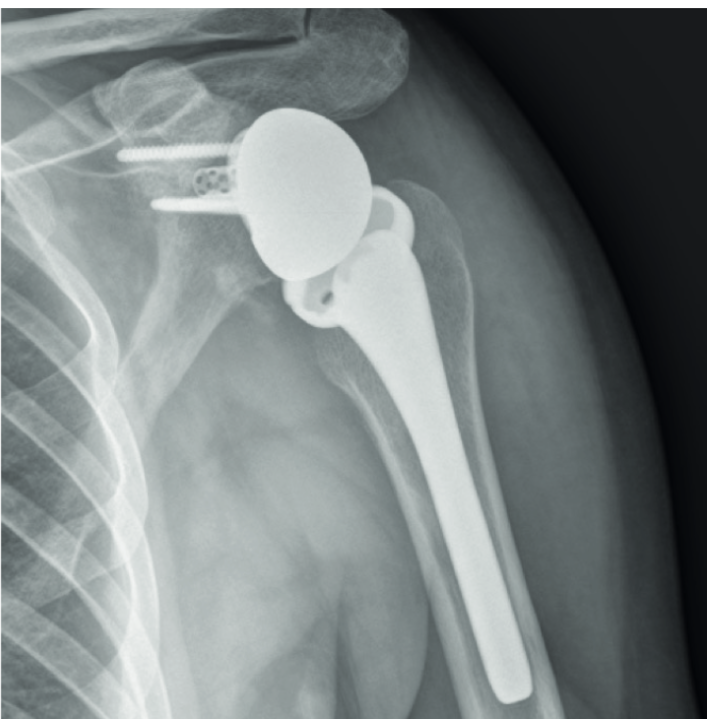
Strong evidences regarding the correct management of these cases are limited and controversial and often the therapeutic treatment options derive from algorithms used in the management of hips and knees’ periprosthetic infections (3,4). On the basis of the timing of symptoms onset, several strategies are purposed: i) suppressive antibiotic therapy which, however, has a failure rate greater than 60%; ii) joint washing and debridement with replacement of the polyethylene liner; iii) prosthesis revision that can be carried out in one-stage or two-stage, after the placement of an antibiotic spacer (5). Despite the variety of options available, the specific indications and the expected clinical results remain debated and the re- vision rate after reimplantation is unfortunately nearly 30% (6,7). Common complications are joint dislocation, chronic instability, acromion fracture, lack of superficial wound healing or formation of hematomas (8). In particular, the glenoid bone-stock in revision surgery seems to be a limiting factor for conventional reverse shoulder arthroplasty (RSA) implants, leading to instability, poor positioning of the components and implant failure during revision (9). Moreover, prosthesis longevity is considered highly dependent on accurate positioning (10,11) and for all these reasons we try to take advantage of GPS navigation technology in revision shoulder surgery. Reporting this clinical case, we want to describe the history, the clinical signs and the two-stage treatment of a prosthetic septic failure and how we have managed the revision with GPS navigation assistance.
Clicca sul pulsante sottostante per continuare nella lettura dell’articolo completo e visualizzare le immagini di approfondimento.